What Is a Lay-Flat Journal and Why Does It Matter?
Most people do not think about journal binding until they are sitting there with one hand pressing the spine flat and the other trying to write. By that point, the frustration is already pulling them out of the moment the journal was supposed to create.
Lay-flat binding fixes this problem at the source.
What lay-flat binding actually is
There are several methods of bookbinding. The most common in budget journals is perfect binding, where pages are glued to the spine. It looks clean on the shelf, but it means the book resists opening. Hold it open and it fights back. Eventually the spine cracks, pages loosen, and the journal falls apart.
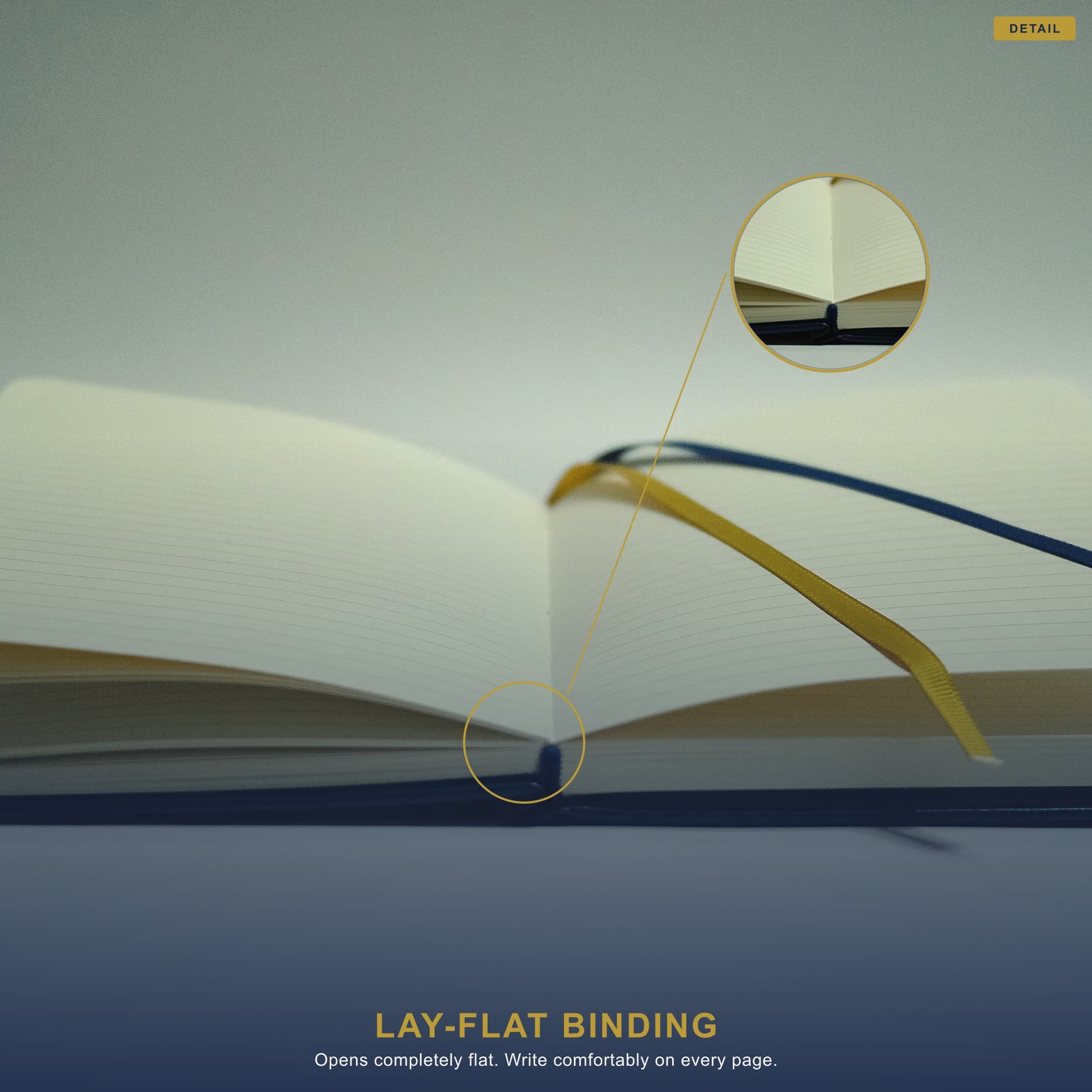
Lay-flat binding, specifically Smyth sewn binding, works differently. Pages are gathered into small sections called signatures. Each signature is sewn together with thread. The signatures are then sewn to each other, and finally attached to the cover. This creates a structure that allows the book to open completely flat at any page, from the first to the last.
Why it matters for daily writing
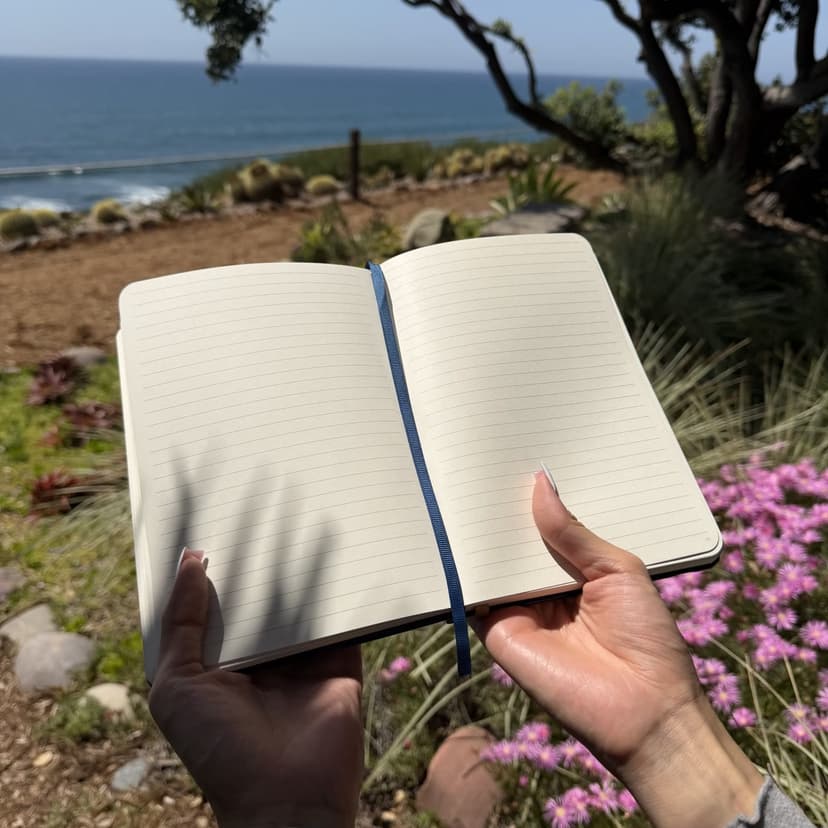
When a journal opens flat, both pages are available. You are not writing on a curved surface. You are not fighting the spine. The gutter - the center where the pages meet - does not swallow your words.
This sounds like a small thing until you experience the difference. A journal that opens fully and stays open removes one more point of friction from the practice. And friction is exactly what makes habits fail.
If your journal is fighting you, you write less. If it opens flat and stays there, you keep going.
The difference you will feel on page one
Open a Smyth-sewn journal and press it flat on a table. It stays. Open a perfect-bound journal and do the same. Your hand has to hold it.
Over 224 pages, that difference accumulates. A journal you actually finish is a journal that served its purpose.
What to look for when buying
Not all journals that advertise lay-flat binding deliver on it equally. The quality of the sewing, the weight of the paper, and the flexibility of the cover all affect how well the binding performs over time.
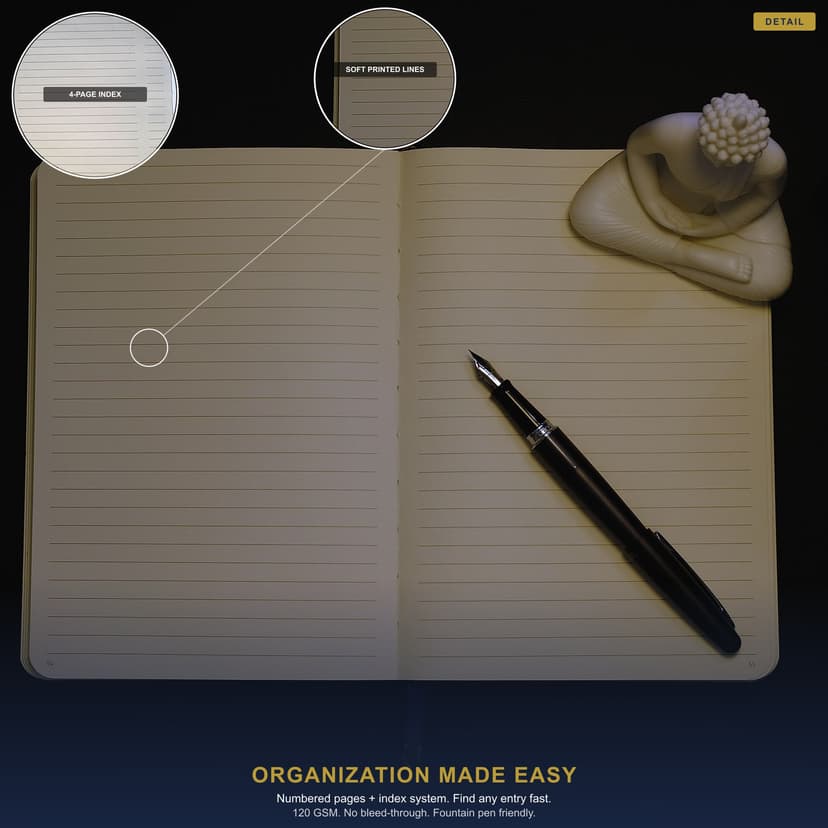
The Mindful Journal uses Smyth-sewn lay-flat binding with 120 GSM paper. The paper weight matters here: heavier paper means the pages hold their position better when the journal is open. Thin pages curl at the edges even in a well-bound journal.
If you have been avoiding journaling because the physical act of holding the thing open is annoying, this is the fix. The right tool makes the practice easier. The wrong one makes it harder. It is simple.
Ready to start your practice?
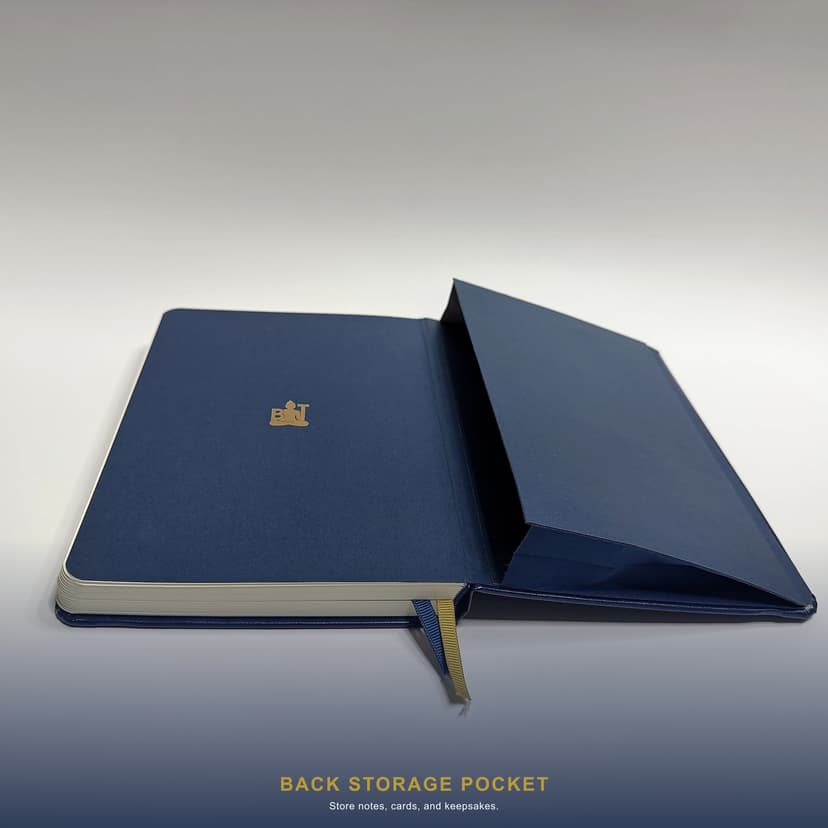
The Mindful Journal gives you 224 pages, 50 guided prompts, and 120 GSM paper that makes every session feel intentional.
View the Journal